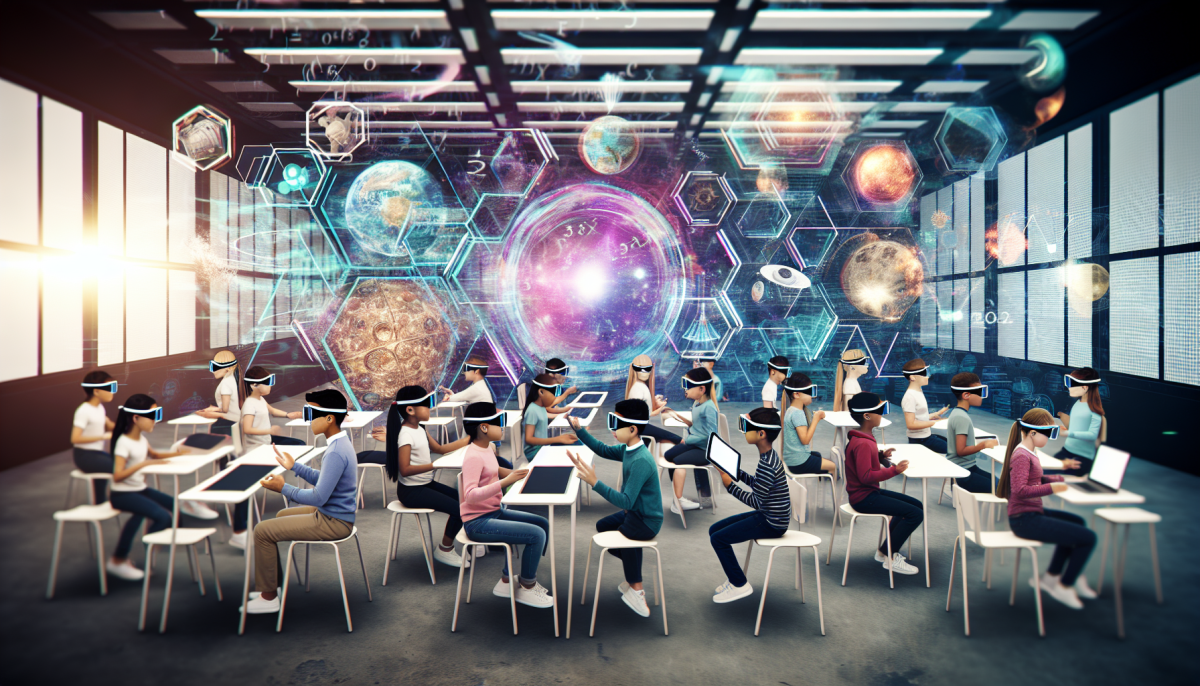
Augmented reality (AR) is shaking things up in classrooms everywhere. It’s not just about flashy graphics; it’s about making learning real and fun. Imagine a world where students can pull up 3D models of the solar system or walk through ancient cities right from their desks. With this kind of tech, students dive into the material like never before.
Using AR apps, teachers can create interactive lessons that grab students’ attention. Picture a biology class where students can explore the human body in 3D, seeing how organs work in real-time. This hands-on approach helps students understand complex concepts better, and they remember this stuff far longer than when they’re just reading from a textbook.
Plus, AR promotes collaboration among students. They can team up to solve problems using AR tools, fostering teamwork and communication skills. Instead of working solo with a worksheet, they can discuss and share ideas while exploring AR features together. It’s a game-changer for building social skills in the classroom.
And let’s not forget about accessibility. AR can cater to different learning styles. Whether students are visual learners, auditory learners, or kinesthetic learners, AR resources can be tailored to help each one thrive. This adaptability makes for a more inclusive classroom environment where every student has a chance to shine.
Immersive Learning Experiences for Everyone
Augmented reality is shaking things up in education, and it’s pretty exciting! Imagine being able to step into a historical event or explore the human body without leaving your classroom. That’s the power of AR. It transforms traditional learning into immersive experiences that captivate your attention and make learning so much fun.
For instance, with AR apps, students can point their devices at a textbook and—boom!—3D models pop up right before their eyes. This kind of engagement helps them understand complex topics better. Instead of just reading about planets in the solar system, they can actually see them in action. It’s like having a mini planetarium right at their fingertips!
And let’s not forget about accessibility. AR tools can support different learning styles. Visual learners can benefit from interactive graphics, while kinesthetic learners can get hands-on experience with virtual simulations. Everyone gets a chance to learn in a way that suits them best, making education more inclusive than ever.
Teachers love AR too! It keeps students focused and curious, which is a win for anyone in education. Plus, it opens up endless possibilities for creative lesson plans. Who wouldn’t want to spice up their teaching approach? With augmented reality, learning becomes a shared adventure that students won't forget!
Engaging Students with Interactive Technology
Technology has opened doors to new learning methods, and augmented reality (AR) is leading the way. Picture students stepping into their textbooks and experiencing history, science, or literature in a whole new light. AR makes learning super interactive and fun.
Imagine a student holding up their tablet to a page in a science book and suddenly seeing a 3D model of the human heart pop up! They can rotate it, zoom in, and explore its parts. This hands-on approach makes abstract concepts easier to grasp. It sticks in their minds way better than just reading about it.
Also, AR can create immersive environments. Students can walk through a virtual ancient city or explore a rain forest right from their classroom. It brings lessons to life and sparks curiosity. With tools like AR apps, teachers can customize the experience to fit their lessons and engage students at different learning levels.
The best part? Kids usually enjoy using their devices, so merging AR with schoolwork feels like a game rather than a chore. It keeps them interested and promotes collaboration, as they can work together on projects. This kind of technology pushes the limits of traditional education, making learning exciting and relevant.
Bringing Lessons to Life with AR
Bringing lessons to life with augmented reality (AR) is one of the coolest things happening in education right now. Imagine studying history and being able to see a 3D model of an ancient artifact right in your classroom. Students can interact with it, walk around it, and really get a sense of what it was like. It makes learning feel real and exciting!
With AR, you’re not just reading about science; you can actually see molecules in action. Learning about the solar system? Just point your device at a marker, and boom! The planets appear floating in your space. AR takes tough subjects and makes them way easier to understand. Visualizing complex concepts helps students remember what they’ve learned.
Teachers are loving AR tools, too. They can create interactive quizzes or surveys that engage students in a whole new way. This hands-on approach keeps kids motivated and eager to participate. Rather than sitting and listening, students become part of the lesson, exploring and discovering at their own pace.
The best part? You don’t need fancy gear to get started with AR. Many great apps work on regular smartphones or tablets. It’s super accessible, making it easier for schools to integrate this technology into classrooms. Overall, AR is transforming how students engage with content, making learning an adventure instead of a chore. It’s a game changer for education!