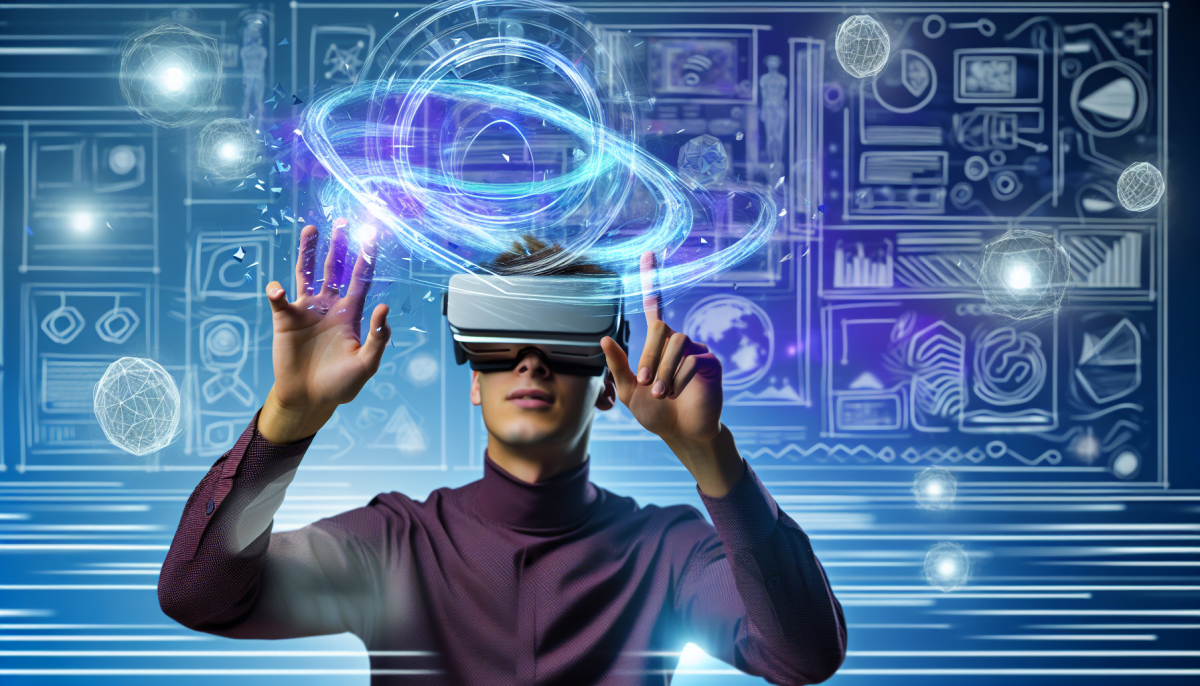
Augmented reality (AR) is getting a serious upgrade, thanks to some really cool emerging technologies. First up, we’ve got 5G networks. With lightning-fast speeds and ultra-low latency, 5G is making it possible to create AR experiences that feel seamless and interactive. Think about it: you're walking around a city, and with a quick scan of your phone, you get instant updates and information about the cool spots nearby. How awesome is that?
Then there's the rise of AI and machine learning in AR. These technologies are helping to make the experience smarter and more personalized. Imagine an AR app that learns your preferences and tailors the experience just for you. It could suggest places to visit, items to buy, or even games to play based on your past interactions. This kind of smart tech takes AR from a fun novelty to something that genuinely enriches your life.
Don’t forget about advances in hardware, like lightweight smart glasses. These devices are becoming more affordable and comfortable, bringing AR directly into your daily life without the need to pull out your phone. Picture glasses that seamlessly overlay information, letting you interact with your surroundings hands-free. This kind of technology can revolutionize everything from shopping to navigation.
Lastly, let’s talk about the metaverse. While it sounds like something out of a sci-fi movie, it's becoming a reality. AR is going to play a huge role in how we connect in these virtual environments. You could attend classes, concerts, or even hang out with friends—all enhanced by AR. The potential here is huge, and it’s something to keep an eye on as we dive deeper into these emerging technologies.
How Augmented Reality Changes Everyday Life
Augmented Reality (AR) isn’t just for gaming or fancy apps anymore. It’s sneaking into our everyday lives, making mundane tasks a lot more exciting and easier. Imagine using your phone to see how a new couch looks in your living room before you buy it. That’s AR showing off its cool side!
Shopping is one area where AR really shines. Retailers are now letting you try on clothes virtually. You can mix and match outfits without stepping into a dressing room. It saves time and is a lot more fun! You can even visualize how makeup products will look on your face before splurging on them.
But it doesn’t stop there. AR is changing how we learn too. Students can use AR tools to explore historical sites or complex scientific concepts in a much more interactive way. This hands-on experience helps make learning stick. It’s way more engaging than just reading from a textbook.
And, let’s not forget about navigation. AR maps can help you find your way around towns by superimposing directions right onto the street. No more fumbling with a paper map or trying to make sense of tiny screen directions. You get to see exactly where to go in real time!
From entertainment to education and everyday chores, AR is reshaping how we interact with the world. It’s like having a helpful assistant by your side, making life smoother and more enjoyable.
The Role of AI in Augmented Reality
Augmented reality (AR) has been buzzing in tech circles for a while now, but pairing it with artificial intelligence (AI) takes things to a whole new level. Imagine a world where digital info blends seamlessly with your real-world surroundings, and that’s what AI brings to AR. With smart algorithms, AR can analyze your environment, recognize objects, and provide tailored experiences just for you.
One big perk of combining AI with AR is improved object recognition. AI can quickly identify items and offer relevant info or actions. Picture looking at a historic building through your phone, and instantly get details about its history, all thanks to intelligent image recognition. This makes learning interactive and engaging. You can explore your surroundings like never before, getting instant insights that keep you hooked.
AI also enhances user interaction. With machine learning, AR applications can learn your preferences and habits. The more you use them, the smarter they get. For instance, if you often check out restaurants, your AR app will start to suggest spots based on your tastes. It’s like having a personal assistant that knows what you like and helps you discover new places.
Another cool aspect is AI's role in creating immersive experiences. By analyzing data from your environment, AI can adjust virtual elements to fit seamlessly into your space. If you're using AR for home design, AI helps visualize how furniture will look in your living room, making the whole process smoother and more enjoyable. You won’t just see a couch in a virtual space; you’ll get a sense of how it feels to live with it.
As AR tech evolves, the symbiotic relationship with AI is set to redefine how we interact with the world. From gaming to education, the possibilities are huge. With AI leading the way, AR is gearing up for a future that’s not just exciting but also incredibly useful. Get ready to embrace this blend of tech – it’s going to change the way we see our everyday lives.
Trends to Watch in Augmented Reality
Augmented Reality (AR) is buzzing with excitement, and it’s not slowing down anytime soon. One trend to keep an eye on is the explosion of AR in retail. Imagine trying on clothes virtually or seeing how a piece of furniture looks in your living room before you buy it. Retailers are jumping on this tech to create interactive shopping experiences that feel personal and fun.
Another trend is AR in education. Schools and universities are starting to use AR to make learning more visual and engaging. Instead of just reading about the solar system, students can explore it through AR apps that place planets right in front of them. This hands-on approach not only makes learning exciting but also helps with retention.
AR is also making waves in the gaming world. You’ve probably heard of games that blend the real world with the virtual, like Pokémon GO. Expect to see even more games that use AR to create social experiences where players can interact in the same physical space, enhancing the fun factor and creating new communities.
And let’s not forget about the healthcare industry. AR is stepping in for training and surgical procedures. Imagine surgeons practicing complex tasks in a simulated environment before performing them on real patients. This tech is not only boosting confidence but also improving precision, ultimately leading to better patient outcomes.
As these trends unfold, it’s clear that AR is set to change the way we shop, learn, play, and even heal. The possibilities feel endless, and it’s exciting to think about what’s coming next.